


Learn about our Forest Genetic Improvement Program at Campo Verde!

Context
In general, forest plantations of native species established in Peru do not have a controlled provenance; that is, it is not possible to know exactly where the seeds used to establish them came from. This results in individual trees with a wide range of characteristics (height, diameter, number of branches, straightness, etc.) that, in many cases, are not the most suitable for achieving standardization and optimal productivity in a commercial plantation.
On the other hand, from a technical standpoint, scientific research on the characteristics, evolution, and management practices related to native species in Peru has not yet been conducted or studied to the same extent as for other commercial species worldwide, which presents an opportunity to generate specific knowledge that will help enhance the value of native species on a global scale.

In the case of BAM, more than 17 years of experience in research on native species has enabled the company to accumulate a gene pool of more than one million trees developed through the selection of the best specimens from multiple sources in the Peruvian Amazon. Leveraging this genetic capital and with a view to increasing the value of the forest and the productivity of its plantations (by up to 30%), BAM has developed a state-of-the-art forest genetic improvement program in collaboration with the Technological Institute of Costa Rica (TEC), one of the world’s leading institutions in the cloning of forest species. This program involves cloning the highest-quality individuals: taller, thicker, healthier, and straighter trees that are capable of growing rapidly without significant difficulty and have good resistance to pests.
Genetic material BAM
As part of the reforestation design process, selecting the native species to be planted was essential. This selection was based on an exhaustive study of the environment, soils, and vegetation in the area, taking into account the interaction and behavior of the selected species in relation to others (growth and survival).
The seeds came from trees in native forests and conservation areas with similar ecosystems; they were carefully selected for their superior characteristics while maintaining diversity of origin. The team at BAM ensured that the seedlings could be traced from their place of origin to their final planting site: each tree from which seeds were collected was documented and georeferenced using GPS.
BAM 's rigorous standards for seed quality and its wide range of collected seeds have enabled it to become a pioneer in the large-scale preservation of valuable genetic material from native species of high commercial value.

Program Implementation
Following the model designed with guidance from the TEC, BAM has launched a genetic improvement program for native species such as marupa and shihuahuaco. Over the years, BAM has been researching the development of these species and analyzing tree growth in its plantations, carefully selecting individuals from different sources based on their response to various factors such as soil, types of canopy cover, planting density, pest resistance, companion species, and more.
As a result of this effort, BAM has successfully selected more than 400 superior individuals that exceptionally meet the characteristics necessary for a plantation to achieve the expected yields: higher yields (m³/ha) for the benefit of the planet, the organization, and the community within its sphere of influence. The process will continue until the specimens that will form the genetic basis for cloning are selected.
BAM is currently conducting trials and pilot tests, as well as developing protocols to optimize propagation (cloning). The process involves inducing elite trees to produce shoots capable of forming roots. By applying specialized cutting techniques to the main layers of the trunk, the flow of sap is interrupted, resulting in shoots that are then transferred to and cultivated in a nursery under high technological standards.


As part of the Forest Genetic Improvement Program, BAM has built a high-tech nursery for the production of genetically superior clones in a protected environment, with a production capacity of up to one million plants per season. The purpose of the nursery is to supply BAM ’s operations with seedlings of superior genetic quality. Surplus production will be sold to third parties (forestry companies, local governments, among others).


The Forest Genetic Improvement Program currently being implemented by BAM will make it possible to continue scaling up restoration efforts in degraded areas through commercial forest plantations of top-quality native species with higher productivity per hectare.
This will also enable BAM to promote the development of reforestation programs, in coordination with authorities and civil society organizations, with the goal of restoring large tracts of degraded land, which in turn could be included in the carbon sequestration programs the company is developing.
It will also make it possible to provide top-quality genetic material for the use and benefit of third parties, promoting the development of high-value native species as a driving force for the forestry sector in Peru.
BAM, private investment for a sustainable world.
By: Valeria Drinot
Continue reading
-
 News
The planet is getting warmer. What can we do about it?
The planet is getting warmer. And the consequences are becoming increasingly hard to ignore. This summer, heat waves, droughts, and…
-
 News
The Artisans of Inin Jabe: When Preservation Also Means Creating Opportunities
At the Bosques Amazónicos (BAM), we believe that conservation goes beyond protecting forests. It also means creating opportunities for the people who live…
-
 News
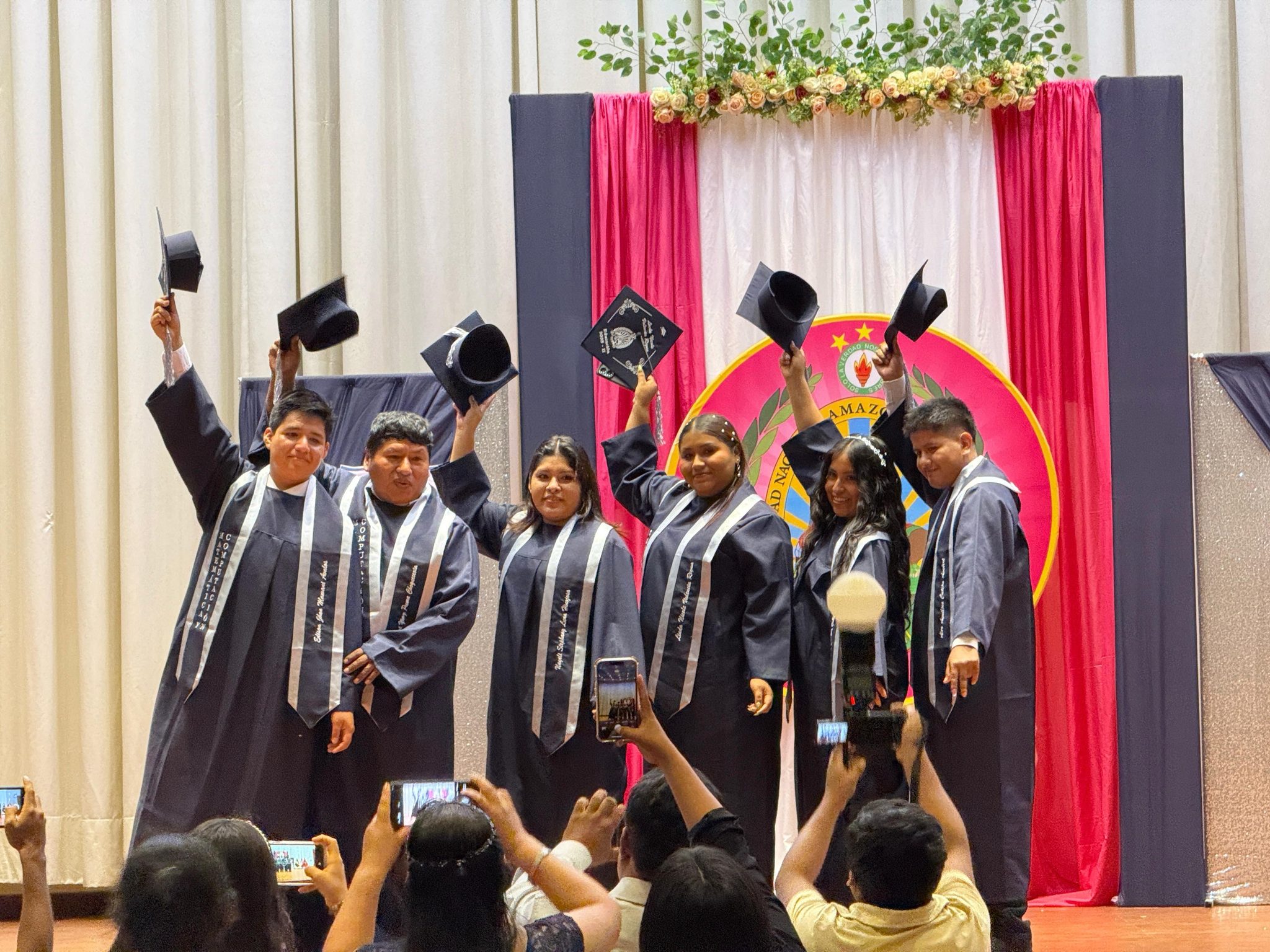
REDD+ Fellows Castañeros – Education as a Priority in the Amazon
Creating Opportunities for Future Generations At Bosques Amazónicos (BAM), we believe that conserving a forest also means investing in the people who protect it.…
-
 News
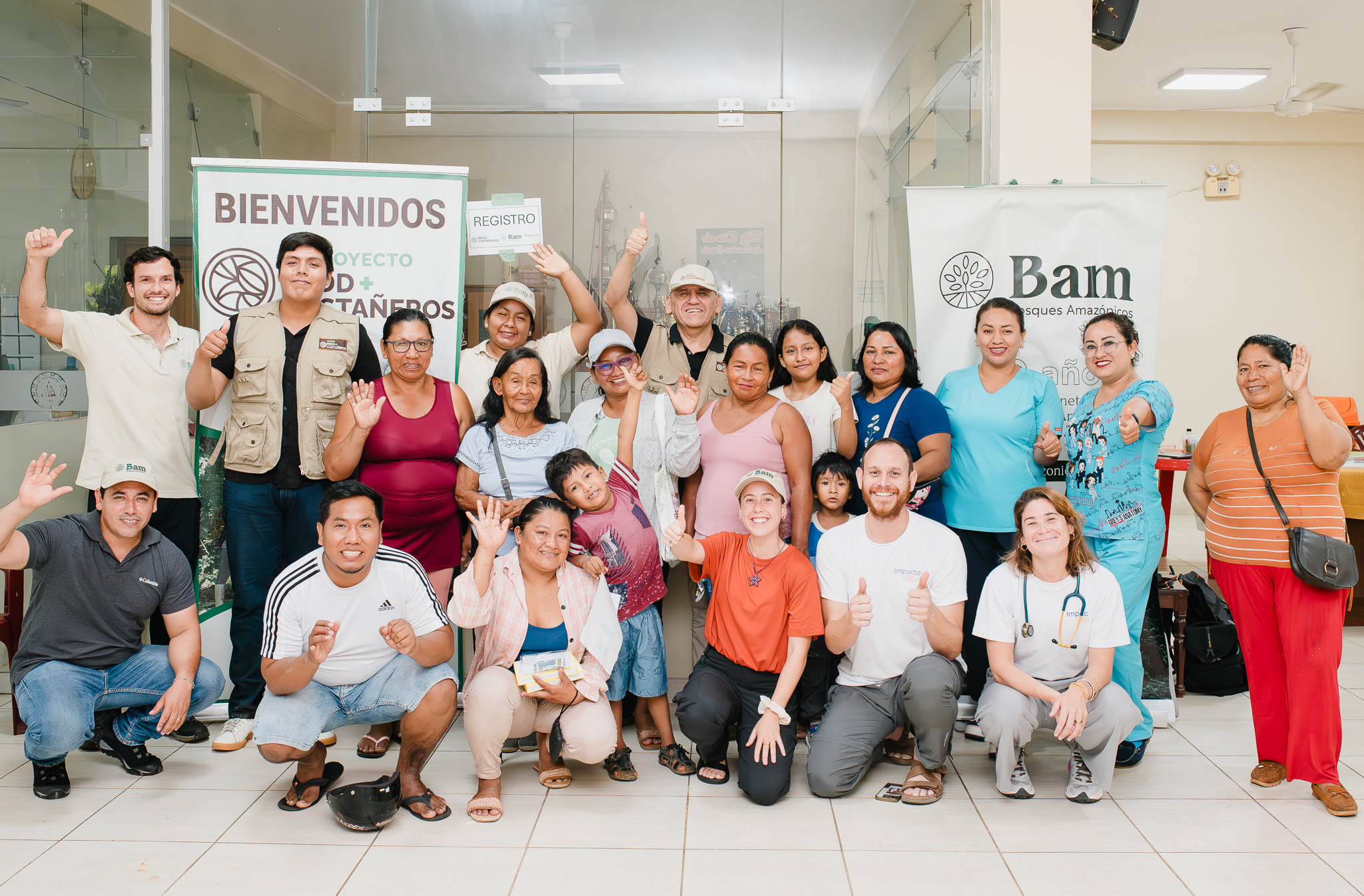
Carbon credits with REAL impact: 200 families benefited from the health campaign in REDD+ Castañeros
REDD+ Castañeros Madre de Dios is conducting a medical outreach campaign that benefits more than 200 families and demonstrates that carbon credits generate…