


Learn about our BAM Science Program, led by Walter H. Wust

Building on the research work of Bosques Amazónicos BAM, earlier this year (2020) we formalized the BAM Science Program, which aims to continuously assess biodiversity and environmental quality (flora, fauna, water sources) in the company’s areas of influence.
This program, led by engineer Walter H. Wust, director of BAM, is being carried out in partnership with renowned scientific organizations such as Corbidi and Perú Verde. As a result of this collaboration, two initial lines of research have been established, to be carried out beginning in the first quarter of 2020:
- Biodiversity surveys: involving intensive collection efforts during 7- to 15-day expeditions by specialists in the main branches of zoology (ornithology, herpetology, mammalogy, and hydrobiology) and botany (flora and plant communities).
- Camera trap system for biodiversity monitoring: designed to detect the elusive wildlife of the tropical forest.
Corbidi, the Center for Ornithology and Biodiversity, is a nonprofit association founded in 2006 that brings together researchers and conservationists to promote the natural sciences in Peru. It has divisions dedicated to ornithology, herpetology, mammalogy, limnology, plant ecology, and conservation veterinary medicine. CORBIDI maintains a scientific collection of birds and has been registered with SERFOR as a repository for biological material since 2007. It also has various inter-institutional cooperation agreements with SERFOR, MINAM, the Naval Medical Research Unit, the University of New Mexico, Harvard University, the Royal Ontario Museum, and the University of Arizona, among others.
PerúVerde is a conservation organization that carries out scientific projects in collaboration with organizations such as the MacArthur Foundation, the Wildlife Conservation Society (WCS), the International Union for Conservation of Nature (IUCN), and the Frankfurt Zoological Society, among others. It has also carried out outreach projects with the National Geographic Society and the BBC in London.


BAM, private investment for a sustainable world.
Continue reading
-
 News
The planet is getting warmer. What can we do about it?
The planet is getting warmer. And the consequences are becoming increasingly hard to ignore. This summer, heat waves, droughts, and…
-
 News
The Artisans of Inin Jabe: When Preservation Also Means Creating Opportunities
At the Bosques Amazónicos (BAM), we believe that conservation goes beyond protecting forests. It also means creating opportunities for the people who live…
-
 News
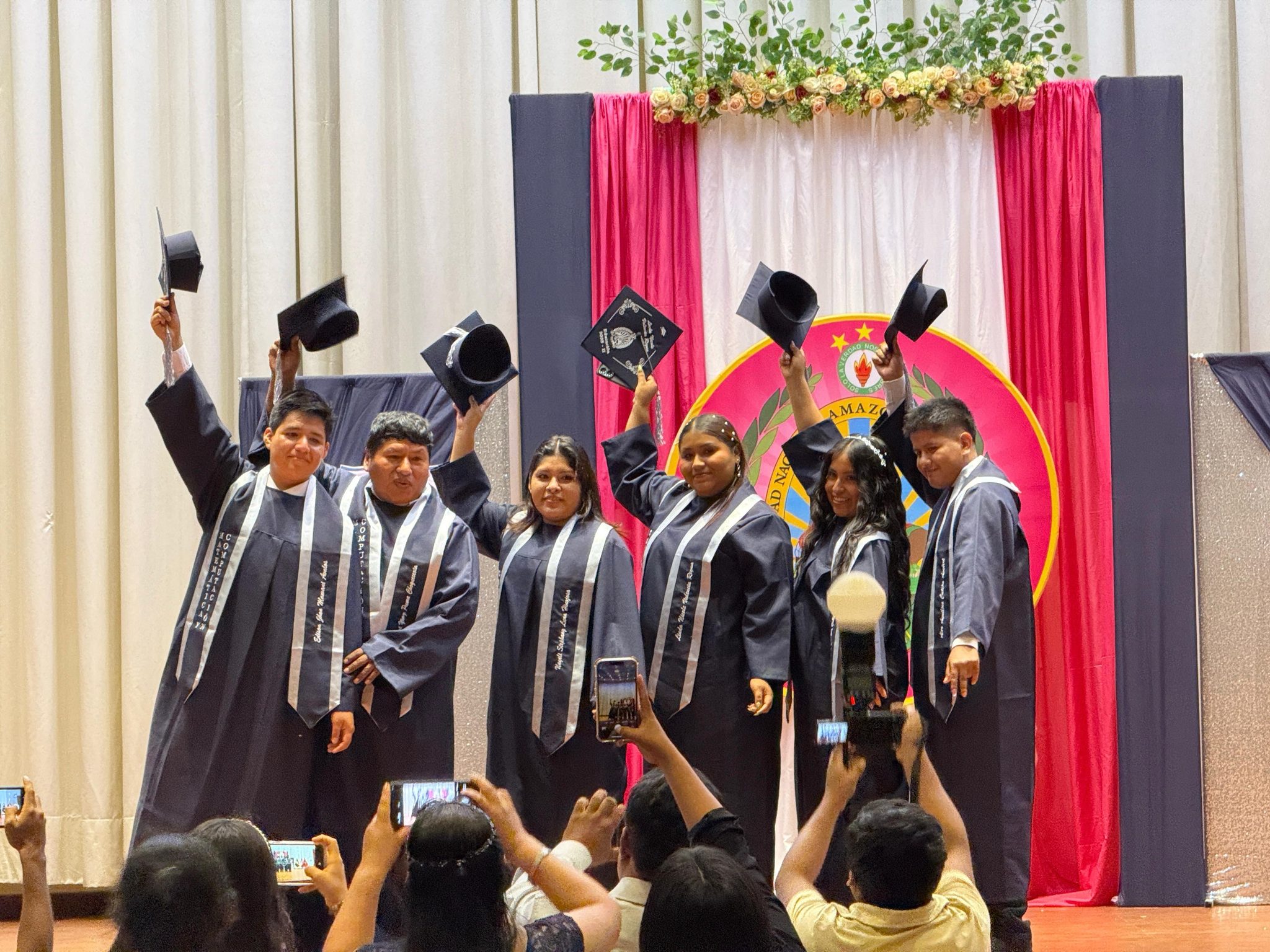
REDD+ Fellows Castañeros – Education as a Priority in the Amazon
Creating Opportunities for Future Generations At Bosques Amazónicos (BAM), we believe that conserving a forest also means investing in the people who protect it.…
-
 News
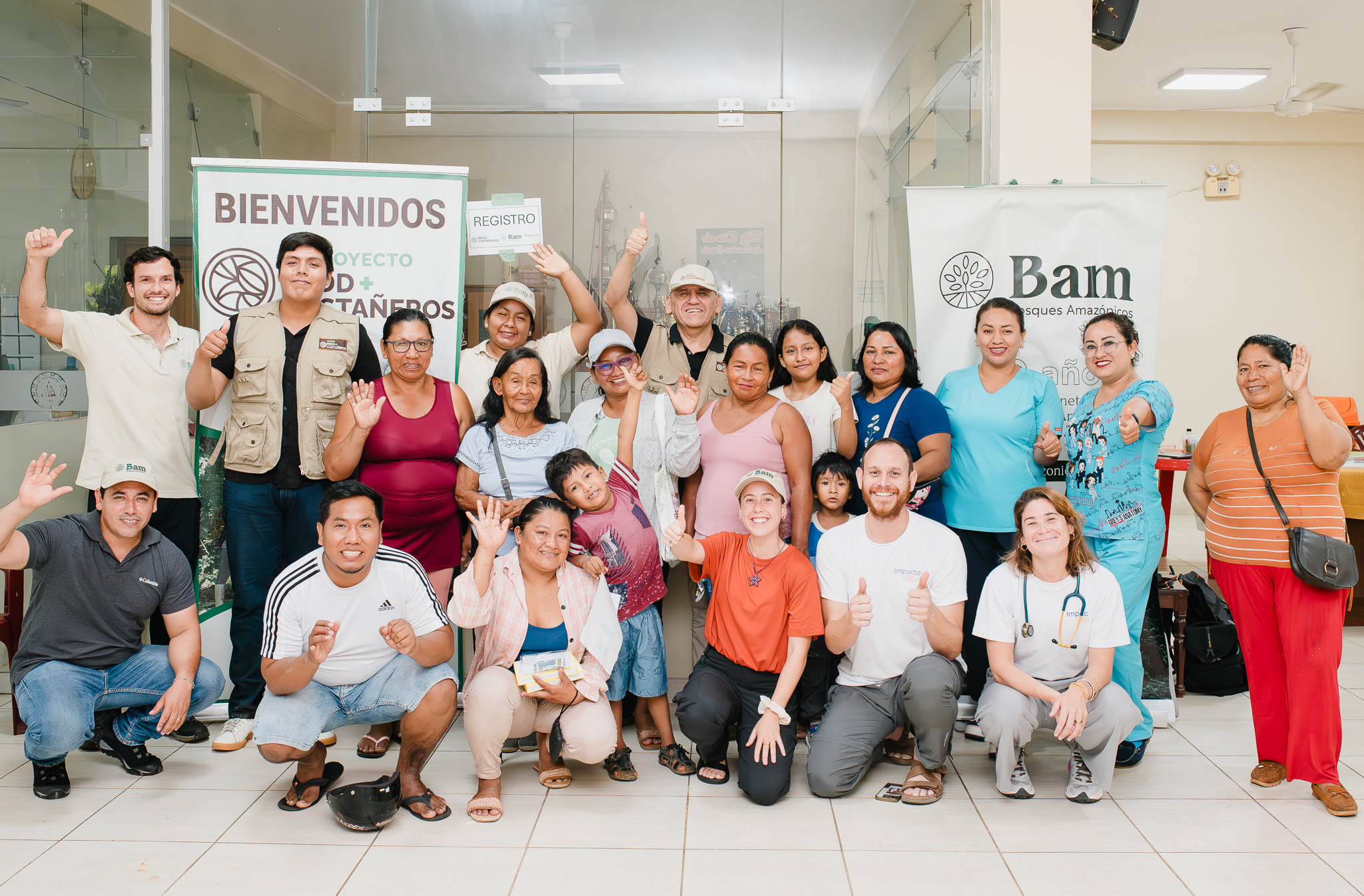
Carbon credits with REAL impact: 200 families benefited from the health campaign in REDD+ Castañeros
REDD+ Castañeros Madre de Dios is conducting a medical outreach campaign that benefits more than 200 families and demonstrates that carbon credits generate…