


CAF Offsets Its HistoricalCO2 Footprint with BAM

As part of its commitment to sustainable development and the fight against deforestation and forest degradation in Latin America, CAF—the Development Bank of Latin America—offset the greenhouse gas (GHG) emissions generated by its operations from 1970 to 2018. The institution offset its historical carbon footprint by purchasing 162,986 carbon credits equivalent to its emissions from the REDD+ program ( Castañeros ) at Madre de Dios , which is developed by the Bosques Amazónicos (BAM).
CAF announced its commitment to sustainability during COP25 and through a corporate video:
https://www.youtube.com/watch?v=fFKxwK1VxOc&feature=emb_logo
More about the conservation program REDD+ Castañeros
In 2006, the construction of the Interoceanic Highway linking Peru and Brazil posed a major threat of deforestation to the rainforests of Madre de Dios —one of the most biodiverse areas on the planet—and to the Brazil nut forests allocated to small local concessionaires. According to projections, the ease of access provided by the new highway will result in the deforestation of 34% of the area’s natural forests by 2041.
As of today (2023), the project REDD+ Castañeros brings together more than 700 Brazil nut-growing families who are members of the Federation of Castañeros of Madre de Dios (FEPROCAMD) with the goal of protecting 500,000 hectares of forests threatened by increasing deforestation in the region.
The REDD+ methodology refers to programs for reducing emissions from deforestation and forest degradation (REDD), conservation, sustainable forest management, and the enhancement of forest carbon stocks in developing countries.
By: Valeria Drinot

Continue reading
-
 News
The Future of Forest Finance: From Conservation to Compliance
Nearly two decades ago, Jorge Cantuarias chose to conserve primary rainforest rather than convert it to farmland. Today, as Director and Founder of Bosques…
-
 News
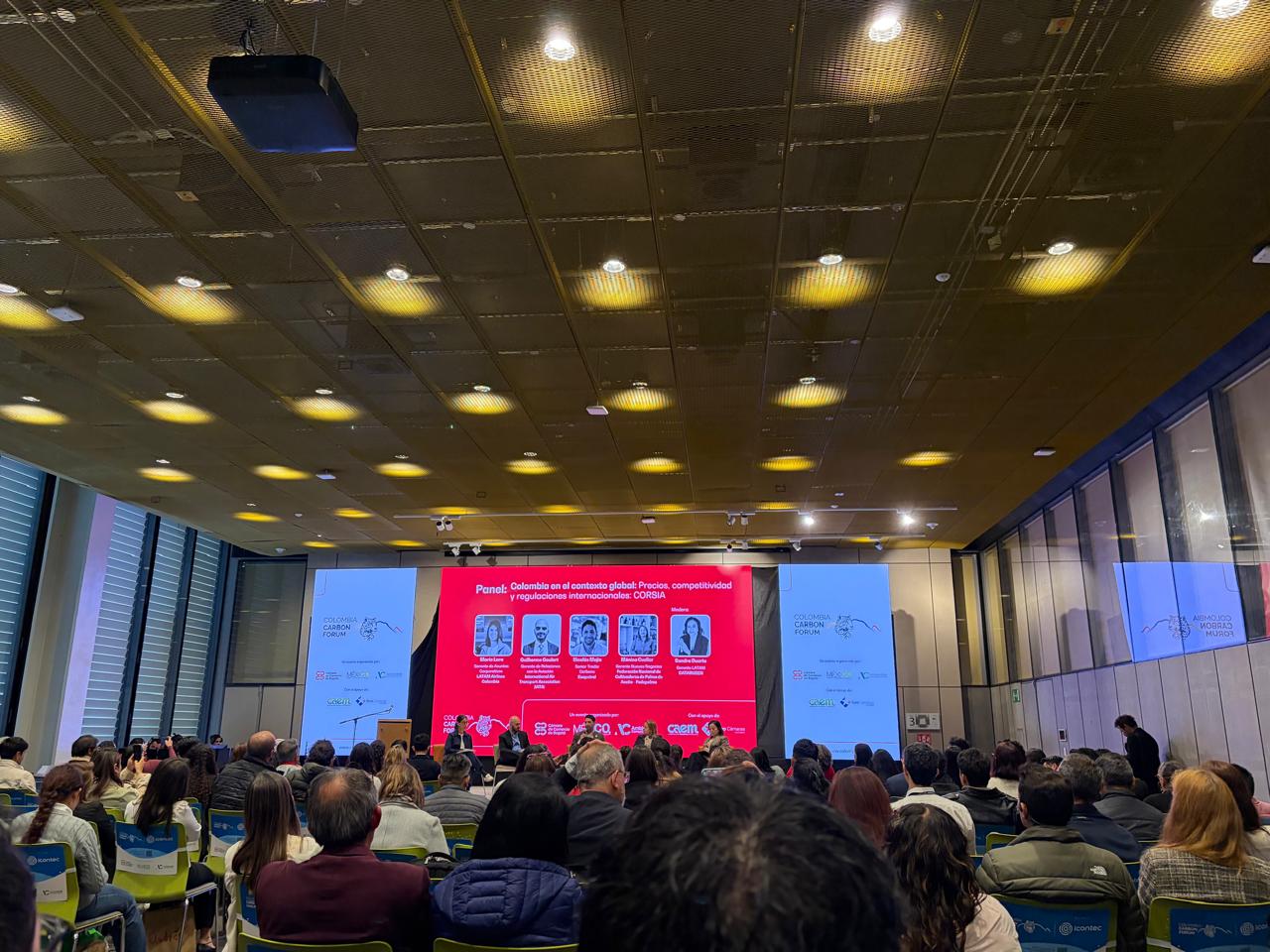
Colombia Carbon Forum: What It Means for Peru's Carbon Market
Participating in the Colombia Carbon Forum provided a firsthand look at some of the key discussions that are currently shaping the evolution of the markets…
-
 News
2025 Bolivarian Games in partnership with REDD+ Castañeros : Sports & Sustainability
The 2025 Ayacucho–Lima Bolivarian Games will mark a milestone in sustainability for regional sports: the event will offset its carbon emissions through…
-
 News
Machu Picchu: A Carbon-Neutral Tourist Destination with REDD+ Castañeros from BAM
Machu Picchu, one of the Seven Wonders of the Modern World and a symbol of Peru's cultural heritage, received the certification for the third consecutive year…
