


Learn about our conservation project, “ REDD+ ” (The Last Habitat ), at Campo Verde!

The forests protected by BAM are particularly significant because they are among the last remaining ecosystems near the city of Pucallpa, the capital of Ucayali, one of the regions with the highest rates of deforestation in Peru.
Since 2008, BAM has been protecting a 14, 507-hectare private area in Ucayali, Peru, where it is currently carrying out a conservation project REDD+ The Last Habitat. Over the years, BAM has carried out various activities aimed at preventing the deforestation of ecosystems due to the growing threats affecting the area.
Located 45 minutes from the city and surrounded by pressures from deforestation caused by agriculture, urbanization, and other factors, the project area is home to extraordinary ecological richness, serving as the last habitat or refuge for various species of flora and fauna and a “green island” of outstanding natural value.
BAM ’s forests are home to an astonishing variety of flora and fauna, including species such as the jaguar and other vulnerable species like the tapir and the maquisapa monkey. In addition, the area includes several types of valuable forests, among them aguajales—wetlands with the highest carbon sequestration capacity in the Amazon. All of this makes this an essential ecosystem for conservation, opening up opportunities for scientific research on biodiversity and the value of Amazonian tropical forests.


REDD+ The Last Habitat aims to prevent the emission of more than 8,000,000 tCO2e (metric tons of carbon dioxide equivalent) into the atmosphere over the course of the project (2020–2039), representing an average of 500,000 metric tons ofCO2eavoided per year (between 2020 and 2021), helping to mitigate the effects of climate change and safeguarding the integrity of Peru’s Amazonian ecosystems and their most valuable species.
It is worth noting that the project involves the surrounding communities (representing more than 835 families) in its value proposition, seeking to create sustainable economic opportunities to support the livelihoods of neighboring families, while fostering awareness and harmony between the community and the ecosystem.
Currently, the project at BAM, REDD+ ,The Last Habitat, is undergoing validation and verification under the Verified Carbon Standard (VCS) and the Climate Community and Biodiversity Standard (CCB Biodiversity Gold).
More about the project: Climate, Community, and Biodiversity goals
The " REDD+ : El Último Hábitat" project protects more than 14,000 hectares of primary floodplain forests. Part of this area has been designated as the region’s second Private Conservation Area (ACP Campo Verde), with the goal of conserving the forest and the vast diversity of plants and animals it harbors, ensuring their continued well-being.
The estimated emissions reduction for the project is 8,234,790 tCO2e, averaging 500,000 tCO2e per year—an impact that will be achieved over time through the implementation of various activities grouped into three strategic areas of intervention: climate, community, and biodiversity.


CLIMATE – Mitigating the Risks of Deforestation
Despite their great ecosystem value, these areas face growing threats of deforestation, such as land encroachment and trafficking, overlapping land rights, illegal logging, the expansion of agricultural boundaries, and the implementation of unsustainable agricultural practices that pose a constant risk of forest cover loss and biodiversity loss within the Project Area. These threats are addressed through the implementation of various monitoring, control, and surveillance strategies involving authorities, local organizations, and surrounding communities. Additionally, social strategies are implemented to prevent and reduce external risk factors through environmental awareness programs and improvements in livelihoods.
These strategies and activities, among others, include: the implementation of a comprehensive monitoring, control, and surveillance system (via satellite and on the ground, including patrols, boundary demarcation, and ongoing surveillance at camps and strategic checkpoints); the installation of infrastructure for optimal monitoring of the area; cooperation with forestry authorities and relevant entities to coordinate joint actions to identify, curb, and prevent deforestation; the implementation of training programs for local communities on sustainable forest management; and the involvement of community patrols, other relevant organizations, and the respective local authorities to prevent environmental crimes, among others. For example, in October 2023, a Cooperation Agreement was signed with SERNANP’s Alto Purús National Park. More info here.


COMMUNITY – Socioeconomic Management for Community Development
The communities, towns, and villages surrounding the project area face socioeconomic conditions characterized by unmet basic needs, limited access to quality public services, irregular land tenure, and insufficient support for improving their productive activities. In this social, economic, and political context, forests are threatened by land-use changes that lead to deforestation and degradation, creating a vicious cycle that negatively impacts forest ecosystems and prevents any improvement in the communities’ quality of life.
In this regard, the inclusion of local communities and stakeholders is essential for the project’s development and for achieving forest protection that benefits the climate, biodiversity, and communities. The project involves more than 835 families as indirect beneficiaries in its value proposition, seeking to improve their livelihoods and ensure the long-term impact of these efforts.
The project’s activities include initiatives such as ongoing training for communities in sustainable forest management and the conservation of forests and their biodiversity; the promotion of sustainable production chains to foster alternative sources of income; and the implementation of projects to improve basic services for surrounding communities (drinking water, electricity, health care, education, and transportation), among others. For example, a sustainable project has been launched to improve cassava and manioc flour productivity with producers in the Nuevo Belén community, in addition to improvements to schools and health centers in various localities. All activities are implemented in a participatory manner, respecting local governance systems, which is reflected in cooperation agreements with communities and regional authorities for the development of sustainable activities that benefit local populations.


BIODIVERSITY – Protection of biodiversity and ecological processes
To ensure proper conservation and management of the forest, BAM implements a Science Program in cooperation with prestigious organizations and universities to study and monitor the functioning of the forest and its components, and to identify habitats and species—especially those that may be classified as threatened. The results of the research conducted indicate that the project area is home to a significant diversity of species, including those classified as threatened under national legislation and by the IUCN. During one of the most recent scientific expeditions carried out by researchers from CORBIDI and the San Diego Zoo —made possible by the Science Program BAM —494 species of fauna were recorded, including 357 bird species and 276 insect species. They even discovered a species new to science! Meet the Scinax pyronguinis frog, or “English fire frog,” here, and for more details on the protected animals and wildlife in our forests, don’t miss the results from the installation of hundreds of camera traps!


The Importance of Conservation
Did you know that 20% of global greenhouse gas (GHG) emissions are caused by deforestation and harmful agricultural practices? In Peru, where approximately 200,000 hectares are lost each year, deforestation accounts for just over 50% of the country’s totalCO2e emissions (MINAM).
Since 2009, Bosques Amazónicos (BAM) has been carrying out REDD+ conservation projects in the Peruvian Amazon with the goal of combating climate change, safeguarding the integrity of ecosystems, and promoting the sustainable development of local communities. Currently, BAM is carrying out five conservation projects in Peru.
BAM 's other projects at Ucayali
Since 2008, BAM has been restoring and reforesting degraded land with high-value native species, such as marupa and shihuahuaco, on its private property at Ucayali. To date, BAM has restored more than 1,200 ha with native species that are highly valued on the international market.
Join the fight against climate change and become part of the community of Bosques Amazónicos by clicking here.
BAM, private investment for a sustainable world.
By: Valeria Drinot
Continue reading
-
 News
The planet is getting warmer. What can we do about it?
The planet is getting warmer. And the consequences are becoming increasingly hard to ignore. This summer, heat waves, droughts, and…
-
 News
The Artisans of Inin Jabe: When Preservation Also Means Creating Opportunities
At the Bosques Amazónicos (BAM), we believe that conservation goes beyond protecting forests. It also means creating opportunities for the people who live…
-
 News
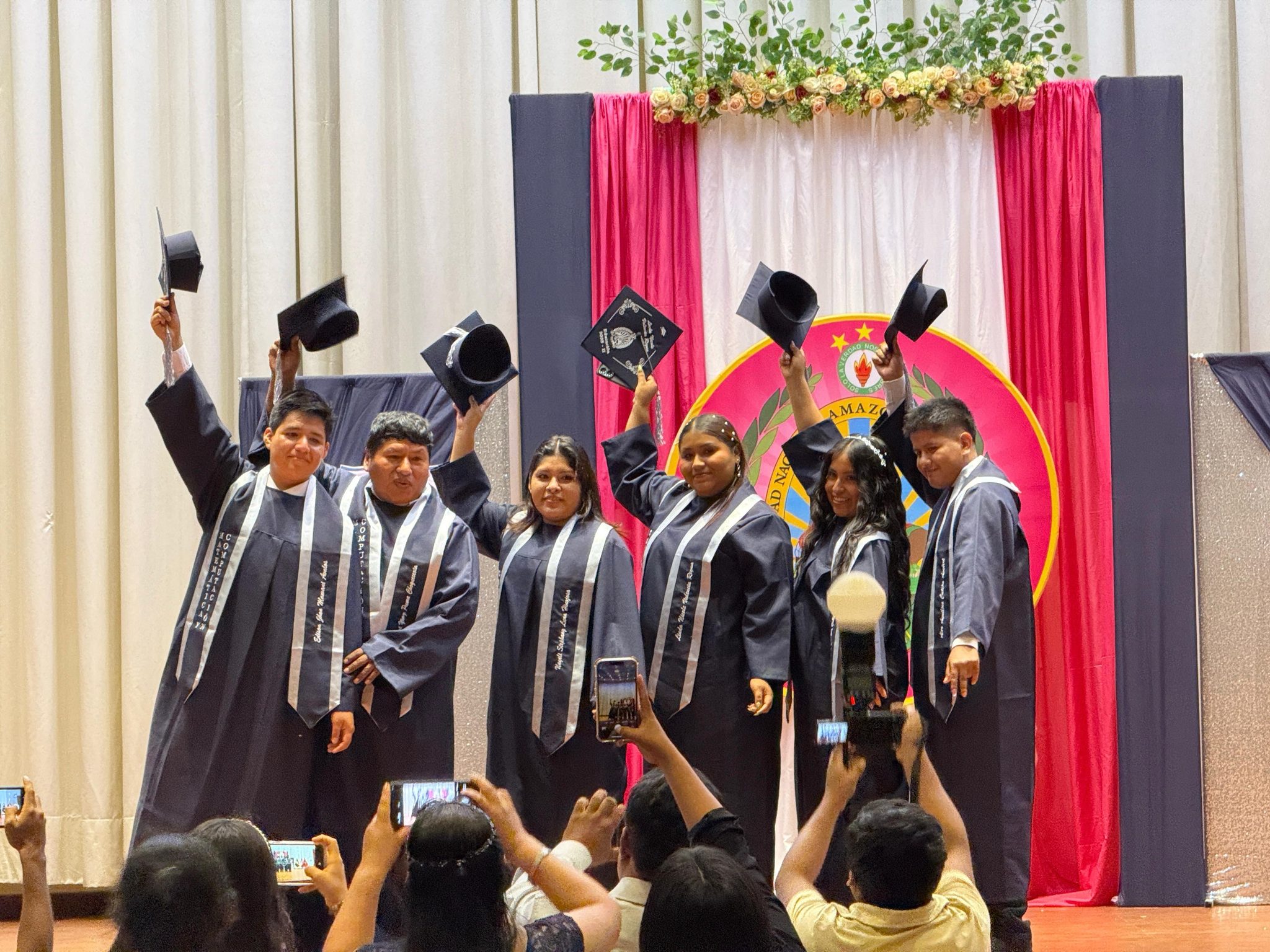
REDD+ Fellows Castañeros – Education as a Priority in the Amazon
Creating Opportunities for Future Generations At Bosques Amazónicos (BAM), we believe that conserving a forest also means investing in the people who protect it.…
-
 News
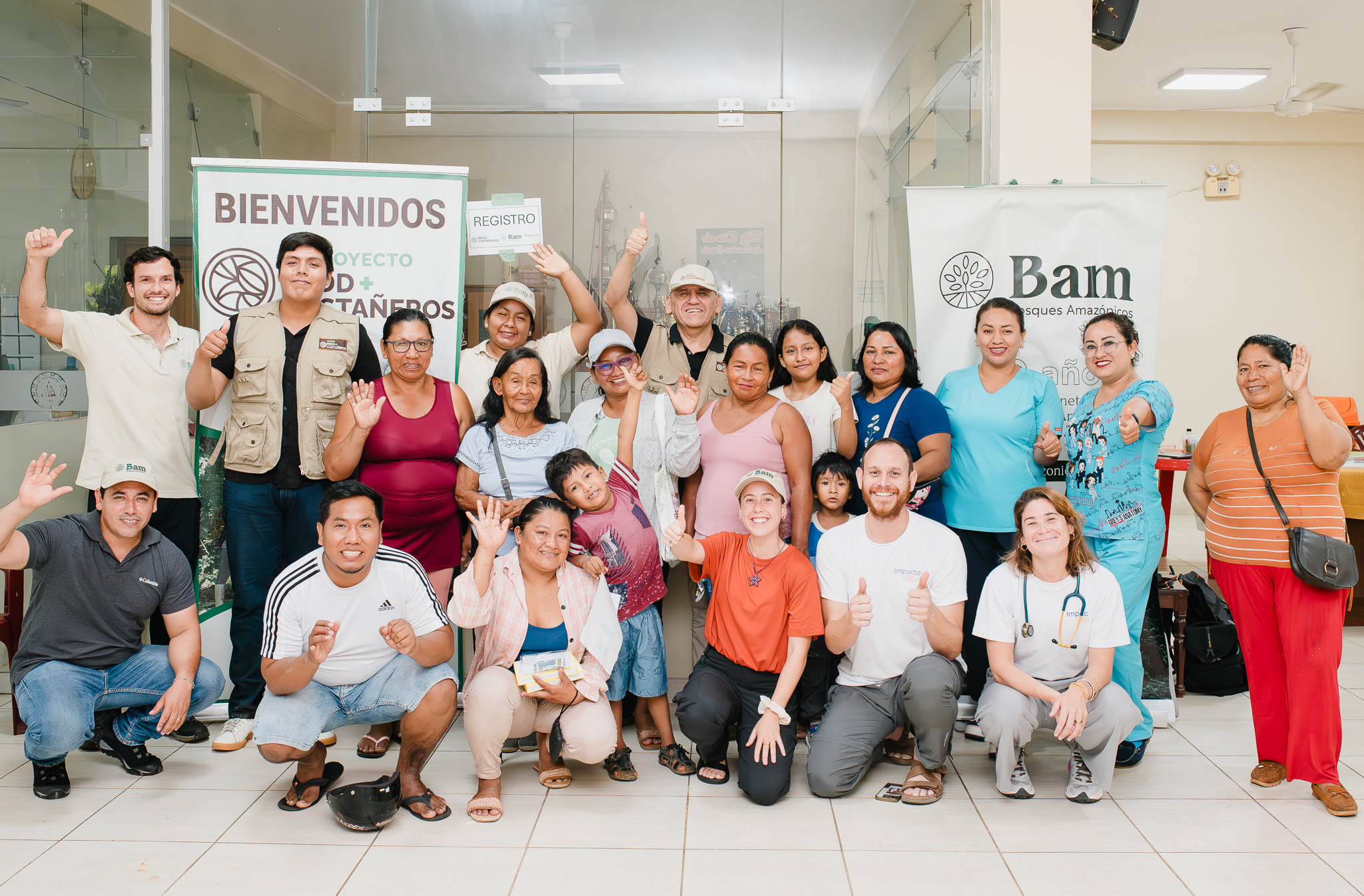
Carbon credits with REAL impact: 200 families benefited from the health campaign in REDD+ Castañeros
REDD+ Castañeros Madre de Dios is conducting a medical outreach campaign that benefits more than 200 families and demonstrates that carbon credits generate…