


Madre de Dios, Peru
REDD+ Castañeros
The construction of the Interoceanic Highway (Peru–Brazil) posed a major threat to one of the planet’s most biodiverse regions, Madre de Dios, and specifically to the Brazil nut forests allocated to small local concessionaires.
Since 2009, BAM has been working in partnership with 700 families organized under the Federation of “ Castañeros ” (FEPROCAMD) to protect 620,775 hectares of Brazil nut forests threatened by increasing deforestation in the region.

PROGRAM RESULTS
- 620,775 hectares of protected forests
- +700 families directly benefitted
- +500 protected species
- 2.2 MM cars taken off the road in one year
- Region Madre de Dios , Peru
- Area 620.775 hectares
- Concessionaire Families 700
- Project Lifecycle 40 years
- Career 17 years
- Certification VCS and CCB
Each figure on this page corresponds to a verifiable public record.
Beyond Carbon
Communities, Retention, and Scale
-
700
Concessionaire families
Since 2009, BAM has been working with 700 families organized under the Federation of Castañeros ( Madre de Dios). Conservation is sustained because the standing forest provides a better economic alternative.
-
19 MM
Tonnes ofCO2eavoided
Throughout the project's lifecycle, verified in accordance with the VCS standard.
-
40
Years of Commitment
One of the largest REDD+ projects associated with Brazil nut concessions in the world.
From standing timber to verified credit
How It Works
-
Baseline
A model is used to estimate how much forest would have been lost without the project, based on observed deforestation in comparable areas and the actual pressures on the 620,775 hectares. That projection serves as the baseline against which everything else is measured.
ResponsibleParty BAM , reviewed by the independent auditor
-
Monitoring
The actual forest cover is compared to that baseline using satellite imagery and field verification. Monitoring is ongoing throughout the 40-year commitment period; it is not a one-time measurement taken at the outset.
ResponsibleParty BAM , in collaboration with the project's local teams
-
Validation
An independent auditor accredited by Verra reviews the project design, baseline, and monitoring plan before any credits are issued. Without validation, no project is registered.
ResponsibleParty Independent auditor accredited by Verra
-
Verification
At the end of each period, the auditor confirms how many emissions were actually avoided. The actual results are verified, not the projections, and the verified figure may differ from the estimated figure.
ResponsibleParty Independent auditor accredited by Verra
-
Broadcast
Verra It issues the “ VCU ” for the verified period and registers them in the project’s name. Each credit is equivalent to one metric ton ofCO2eand has a unique serial number and a vintage.
Data Controller Verra , as listed in the public registry
-
Retiro
The buyer withdraws the credit registered in their name from the registry. The withdrawal is public, permanent, and irreversible: the withdrawn credit cannot be resold or accounted for by anyone else.
ResponsibleParty The buyer, as recorded in the Verra
Both projects are certified under the VCS standard from Verra and are in the process of transitioning to the VM0048 methodology, the new consolidated methodology from Verra for REDD+ projects. The transition is underway, and information about this project will be updated as it progresses.
Partners
Federation of Castañeros

We are more than 700 families united in the region’s largest conservation project. Today, we see that our efforts are translating into real well-being for our families. Thanks to forest conservation and carbon credits, we are receiving benefits that did not exist before.


Continue reading
-
 News
The planet is getting warmer. What can we do about it?
The planet is getting warmer. And the consequences are becoming increasingly hard to ignore. This summer, heat waves, droughts, and…
-
 News
The Artisans of Inin Jabe: When Preservation Also Means Creating Opportunities
At the Bosques Amazónicos (BAM), we believe that conservation goes beyond protecting forests. It also means creating opportunities for the people who live…
-
 News
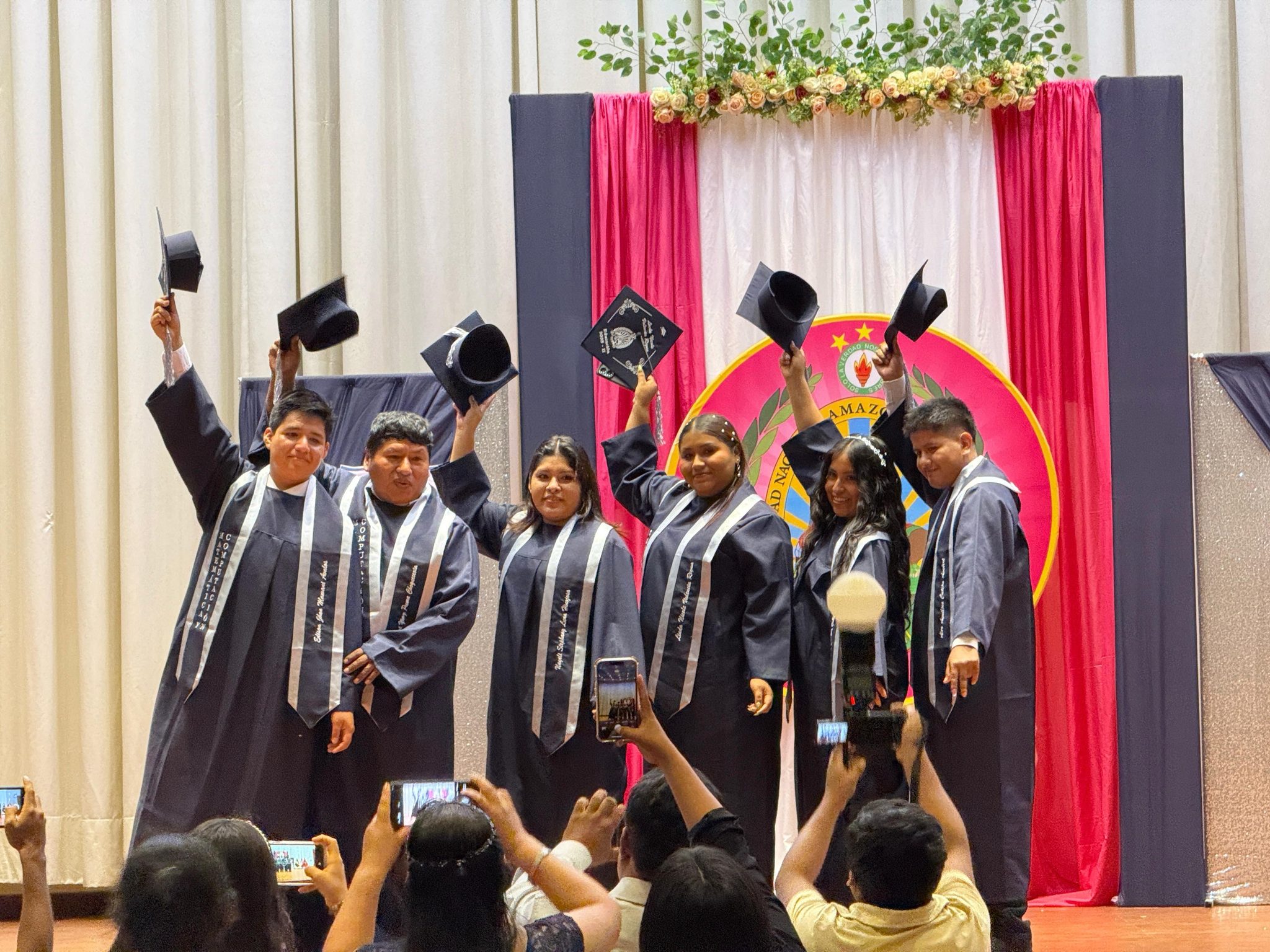
REDD+ Fellows Castañeros – Education as a Priority in the Amazon
Creating Opportunities for Future Generations At Bosques Amazónicos (BAM), we believe that conserving a forest also means investing in the people who protect it.…
Next step
Are you interested in REDD+ Castañeros?
-

Buy credits from this project
Credits verified at VCS , derived from the 620,775 hectares that BAM manages in partnership with 700 concessionholder families.
Check availability : Buy credits for this project -

Investing in Natural Infrastructure
BAM is listed on the Lima Stock Exchange. ARR projects, financial vehicles, and public regulatory information.
View the proposal for investors : Investing in natural infrastructure

